
How aircraft escrow protects buyers and sellers
What an escrow agent holds, when money and title move, and the wire-fraud habits that keep a deposit safe.
Why escrow exists
An aircraft sale moves a large amount of money between people who usually have never met. Escrow puts a neutral party in the middle: the agent holds the funds and the documents and releases them only when both sides have done what they agreed.
How a typical closing runs
- Purchase agreement. Price, deposit, inspection terms and delivery location are written down and signed.
- Deposit to escrow. The buyer wires the deposit to the agent — never to the seller directly.
- Pre-buy inspection. The buyer's chosen shop inspects the aircraft. Findings are settled by repair, price change or walking away, as the agreement says.
- Title search. The agent checks the registry for liens and ownership problems.
- Closing. Remaining funds arrive, the bill of sale and registration paperwork are filed, and money and title move together.
Wire fraud: the real risk
Fraudsters intercept email and send fake wiring details at exactly the moment a buyer is ready to pay.
- Confirm every instruction by phone, using a number you found independently.
- Treat any last-minute change of bank details as an attack until proven otherwise.
- Keep the conversation on BuyJet messages so there is a record.
Read the full safe closing guide before you send anything.
Questions & answers
Who chooses the escrow agent?
Buyer and seller agree on one in the purchase agreement. Choose a licensed agent and confirm their credentials yourself — BuyJet does not vet or recommend providers.
When is the deposit refundable?
That depends on the purchase agreement. Most agreements tie it to the pre-buy inspection: the buyer can walk away, or renegotiate, if the inspection finds problems.
Sources
Related guides
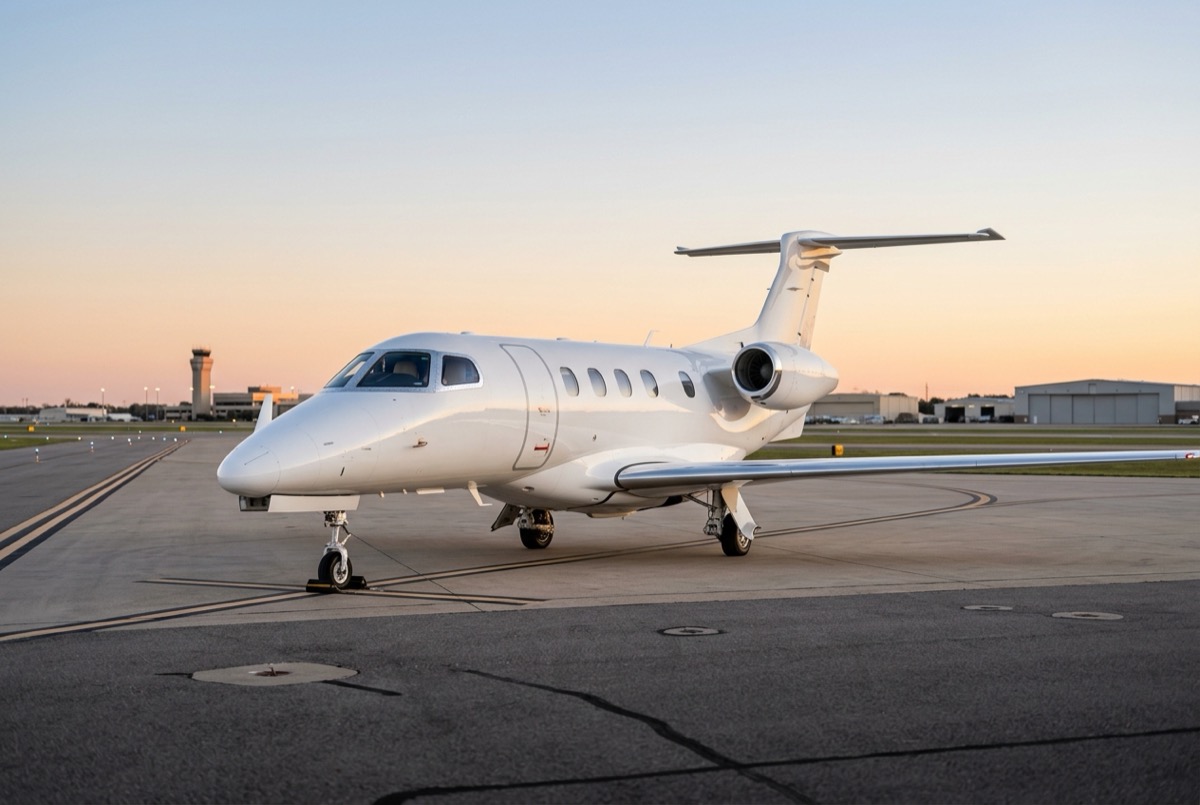
Pre-buy inspection checklist for a used Citation CJ3+
What a thorough pre-buy inspection covers on a light jet, who should do it, and what the logbooks must show before you wire a deposit.